The Festival Is the Easy Part: What Really Happens Before the Gates Open
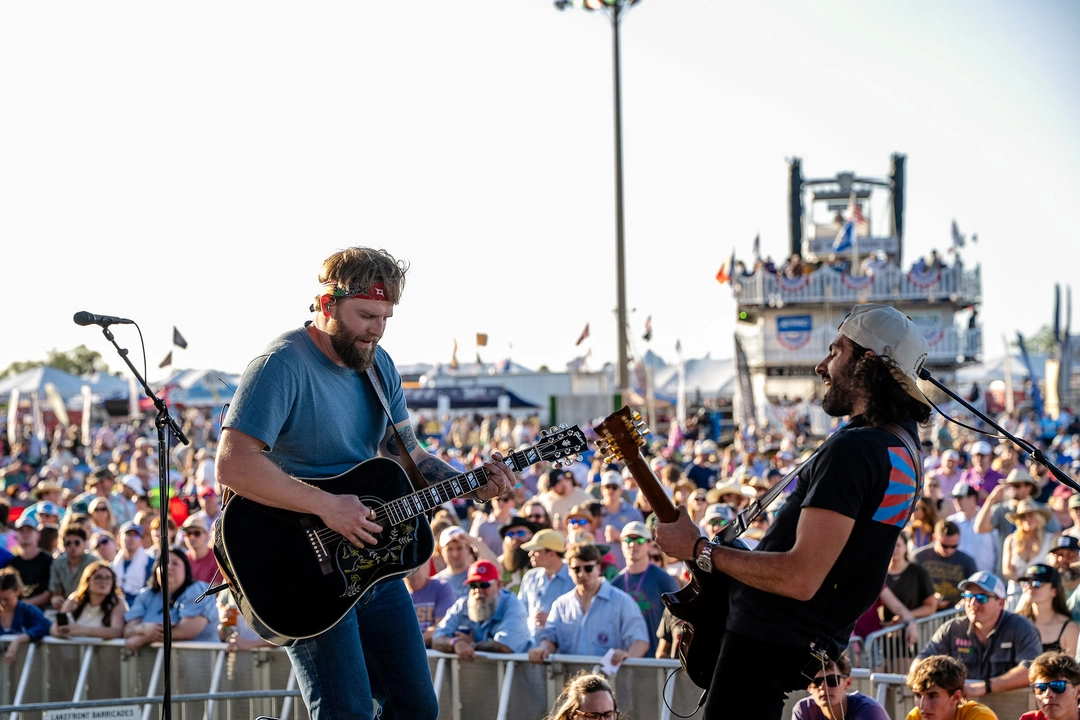
Everyone sees the festival. The lights, the stages, the crowd. What they don't see is the six to twelve months of grinding, coordinating, and problem-solving that made it possible.
That gap between perception and reality is something I think about a lot. Fans experience a few days. Organizers live through an entire year. And most of the hard work happens so far behind the scenes that even people adjacent to the industry don't fully appreciate the scope of it.
The festival itself is almost the easy part. By the time gates open, every major decision has already been made. The site layout is locked. The vendors are contracted. The staffing plan is set. The contingency plans for weather, medical, security, and communications have been stress-tested. What looks effortless to an attendee is the result of hundreds of decisions, made by a lot of different people, over a very long stretch of time.
That coordination is where most festivals succeed or fail. Not on the day of. Not even in the final weeks. It's in how well the producing team, the venue, the talent buyers, the sponsors, the vendors, and the local stakeholders work together in the months before a single ticket is scanned. When those relationships and workflows are tight, the event runs smoothly and issues get solved before they become crises. When they're fractured, even a great lineup can't save you.
I've been on both sides of that equation. After nearly two decades working festivals and venues, I've seen what happens when a team is truly aligned versus when everyone is operating in their own silo. The difference is stark, and it shows up in every part of the event: the fan experience, the artist experience, the financial outcome, and the team's ability to actually execute under pressure.
What makes festival production genuinely hard is that the work isn't linear. You're not checking boxes in sequence. You're managing interdependencies: a sponsor decision affects the stage layout, which affects the production schedule, which affects artist hospitality, which affects your staffing model. Everything connects to everything else. That's why experienced producers are worth their weight. They've internalized those connections through repetition, and they know which thread you can't pull without unraveling something else.
There's also a human element that doesn't get talked about enough. The people who make festivals happen are deeply committed to the work in a way that goes beyond a job description. That commitment is what allows teams to absorb the chaos, adapt in real time, and still deliver something that feels magical to the person standing in front of the stage.
Tomorrow, I'm joining a panel at NOLA Musicon to dig into exactly this. The session is called "The Festival Is the Easy Part," and it's focused on giving people a real look at what happens on the other side of the stage. I'll be on stage alongside Laurie Kirby from FestForums, EJ Encalarde from Festival Productions, Inc., Beth Pepper from Black Promoters Collective and BPC Music Group, and Dré Durant from Premium Ascension. That's a serious group of people with real experience across a wide range of event types, and I'm genuinely looking forward to the conversation.
If you're in New Orleans, come find us. The panel runs from 3:15 to 4:00 PM.
See us discuss it at Musicon tomorrow.